Playground Manufacturer: What Buyers Should Check Before They Commit

Choosing a Playground Manufacturer is not only about selecting a nice-looking design. A playground must stay safe, durable, and easy to manage under real use. If planning is weak, you get congestion, faster wear, and higher maintenance costs. If installation guidance is unclear, small mistakes can become long-term problems. The right partner helps you build a playground that performs for years, not just on opening day.

This guide explains how to evaluate a Playground Manufacturer with a practical buyer mindset.

Playground Manufacturer Planning That Starts With Your Site

A professional Playground Manufacturer should start with site realities, not with a fixed package. The design must fit the space, the audience, and the daily use conditions.

Key planning topics include:
Age range and expected daily traffic
Visibility and supervision needs
Safe fall zones and surface requirements
Outdoor exposure, climate, and maintenance expectations
Access for delivery and installation

Good planning reduces risk and protects long-term value.

Layout That Feels Natural and Safe

Many playground issues come from layout. Crowded feature placement, tight crossings, and unclear circulation can increase collisions and reduce comfort.

A strong layout usually includes:
Clear circulation with fewer bottlenecks
Balanced challenge for different age groups
Open sightlines for caregivers and staff
Rest points that reduce crowding near popular features
A design that first-time visitors understand quickly

A playground that feels calm during busy times usually receives better feedback and longer use.

Supervision and comfort planning

Parents and staff need to see key areas easily. Seating and observation points should be positioned where supervision is natural. When caregivers feel confident, they stay longer and trust the venue more.

Safety Details You Can Verify

A reliable Playground Manufacturer designs with recognized safety expectations in mind, often referenced under EN and ASTM. What matters is how safety shows up in real details and whether the manufacturer can explain their choices clearly.

Check and ask about:
Fall height planning and impact zones
Spacing and entrapment risk prevention
Protected edges, corners, and junction points
Anchoring and structural stability
Clear installation documentation and inspection readiness

Clear answers and clear drawings reduce installation mistakes and support safer operation.

Materials and Durability That Protect Your Budget

The initial quote is not the full cost. The real cost is the total cost of ownership. A strong Playground Manufacturer plans for long-term durability and serviceability.

Look for:
Corrosion resistance and stable structural design
UV stability and color retention
Strong joint and fastener design that stays tight over time
Reinforced high-wear zones like steps, bridges, and landings
Parts that can be replaced without dismantling large sections

Ask what typically wears first and how spare parts are handled. Honest answers help you plan maintenance realistically.

Manufacturing Consistency and Quality Control

Even good designs can fail if manufacturing is inconsistent. A professional Playground Manufacturer should be able to explain quality control steps before shipping, not only after a problem appears.

Ask about:
Pre-shipment checks and finishing standards
Packaging and labeling for clean installation
Documentation that reduces assembly errors
Support during installation if needed

Consistency protects your timeline and reduces surprises.

Installation Readiness and Project Handover Playground Manufacturer

Installation is where many projects either stay smooth or become costly. A reliable Playground Manufacturer provides clear drawings, a realistic installation plan, and practical handover guidance.

Before committing, confirm:
Who installs and what is included
Site preparation requirements
Timeline assumptions
Handover documents and basic maintenance notes
Support process after opening

Final Checklist Before You Choose a Playground Manufacturer

A strong Playground Manufacturer usually checks these boxes:
They start with your site and audience needs
They design for flow, comfort, and supervision visibility
They explain safety decisions clearly with documentation
They plan materials for durability and easy maintenance
They provide installation readiness and after-sales support

When these points are strong, your playground becomes a reliable asset that stays safe, looks good, and performs well for years.

Soft Play Manufacturer: What Serious Buyers Should Check Before They Build

When people search for a Soft Play Manufacturer, they usually want one thing: a play area that looks premium, feels safe, stays clean, and does not create operational headaches after opening. Soft play is used daily, cleaned constantly, and tested by real traffic. Parents notice details quickly. Staff feel the difference during peak hours. A design that looks impressive in photos can still fail if flow is weak, zoning is unclear, or materials wear too fast.

This guide focuses on the practical points that separate a reliable Soft Play Manufacturer from a supplier that only sells attractive renders.

Soft Play Manufacturer Planning That Starts With the Venue

A professional Soft Play Manufacturer should begin by understanding your space and your operation. The building defines what is possible and what is safe. Ceiling height, columns, emergency exits, sprinkler lines, HVAC, lighting, and reception placement all influence the layout.

A strong manufacturer should also ask about:
Age range and target audience
Expected capacity and peak-hour traffic
Party flow and group visits
Supervision points and staff visibility
Parent seating and comfort needs

If these questions are not asked early, the project usually becomes harder to operate later.

Soft Play Manufacturer layout flow for busy hours

Flow is the hidden engine of a successful indoor play area. When traffic increases, small layout mistakes become big problems. Tight crossings, dead ends, and narrow stair zones create congestion. Congestion increases collisions, reduces supervision control, and makes parents feel uneasy.

A strong Soft Play Manufacturer designs circulation so children move naturally, without constant backtracking and bottlenecks. Slide stairs, exits, and crossing platforms are placed with enough space to prevent crowding.

Zoning That Protects Toddlers and Keeps Older Kids Engaged

One of the most common operational problems is mixing toddlers into fast play routes. Toddlers need protected access, lower heights, and softer pacing. Older children want challenge and speed. If the routes overlap too much, incidents rise and parents lose trust.

A capable Soft Play Manufacturer creates zones that feel connected but clearly separated. Parents should understand where each age group belongs within seconds. Staff should be able to supervise critical areas without stepping into the structure constantly.

Soft Play Manufacturer Safety Details You Can Verify

A reliable Soft Play Manufacturer designs with recognized safety expectations in mind, often referenced under EN and ASTM. What matters most is how safety shows up in visible details and whether the manufacturer can explain their decisions clearly.

Check these areas closely:
Slide exits and landing zones
Platform edges and junction points
Gaps and pinch risk prevention
Netting and barrier placement
Corner protection in high-contact zones

Ask for clear installation drawings and documentation. Good documentation reduces mistakes during assembly and helps the system stay consistent.

Soft Play Manufacturer Materials That Stay Clean and Look Premium

Soft play is cleaned daily, so materials must handle constant wiping and still look fresh. Poor finishing creates hard-to-clean seams, tired-looking surfaces, and faster wear. Parents notice this immediately.

A professional Soft Play Manufacturer plans for:
Easy-to-clean surfaces and neat seam finishing
Reinforced high-wear areas like steps, entrances, and landings
Consistent finishing quality across the entire structure
Replaceable modular parts for fast service when needed

A venue that stays clean-looking feels safer. A venue that looks worn feels risky, even if it is technically safe.

Maintenance and serviceability planning

Ask what typically wears first after opening. A strong Soft Play Manufacturer will not promise zero maintenance. They will explain wear points honestly and describe how the design supports fast repairs and low downtime. Serviceability is a profit factor because closed zones reduce both revenue and trust.

Installation Readiness and Handover

Even high-quality equipment can underperform if installation is rushed. A professional Soft Play Manufacturer supports a structured installation process with clear drawings, organized packaging, and labeling that matches the assembly sequence.

A clean handover matters as well. You should receive practical operational guidance, basic maintenance notes, and a clear support path for technical questions after opening.

Final Checklist Before You Choose a Soft Play Manufacturer

A strong Soft Play Manufacturer usually checks these boxes:
They start with your venue and operation, not a fixed package
They design for flow, supervision visibility, and clear zoning
They explain safety logic clearly and provide documentation
They plan materials and finishing for hygiene and long-term durability
They support installation planning and after-opening service needs

When these points are strong, soft play becomes a reliable business asset. It stays attractive, feels safe, and keeps families returning.

Soft Play Manufacturer: A Practical Guide That Helps Buyers Choose With Confidence

When someone searches for a Soft Play Manufacturer, they are rarely shopping for “equipment” only. They are trying to build a business asset that must stay safe, clean, attractive, and easy to operate under real daily traffic. Soft play looks simple in photos, but the reality is different. Weekends get crowded, cleaning happens constantly, toddlers need protected zones, older kids move faster, and parents judge the venue in seconds.

This guide is written for investors and operators who want a soft play area that performs well long after opening day. It is also designed for support sites, so you can educate buyers, earn trust, and guide qualified traffic to your main website with the right internal links.

What a Professional Soft Play Manufacturer Should Deliver

A Soft Play Manufacturer is a partner, not a product list. The strongest manufacturers start with questions, not a catalog. They should want to understand your building limits and your business model before suggesting features.

A serious partner typically covers:
Floor plan review with ceiling height, columns, exits, sprinkler lines, HVAC, lighting
Audience planning by age range and expected daily capacity
Flow planning for peak hours, party traffic, and supervision positions
Clear documentation for installation and inspection readiness
After-sales support with spare parts planning and technical follow-up

If a supplier jumps straight to a fixed package without learning how your venue will operate, the risk of congestion and maintenance issues increases.

Soft Play Manufacturer safety approach in real venues

Most suppliers claim safety. What matters is whether they can explain it in practical terms. A good Soft Play Manufacturer should be comfortable discussing recognized safety expectations often referenced under EN and ASTM, and they should translate that into design choices you can see.

Focus on tangible details:
Slide exits and landing zones
Platform edges and junction points
Gaps and pinch risk prevention
Netting placement and barrier logic
Clear transitions between zones

If the answers feel vague, treat it as a warning sign.

Layout Strategy That Keeps Venues Calm on Busy Days

Layout is the hidden engine of revenue. Two soft play areas can have similar features and completely different results. The difference is flow.

A strong layout reduces collisions, improves supervision, and makes parents feel comfortable staying longer. Look for:
Smooth circulation with fewer choke points
Clear routes that reduce backtracking
Separation between toddler paths and fast movement areas
Defined entry points to the structure
Space planning that avoids crowds at slide stairs and exits

If a layout forces kids to cross each other constantly, the venue will feel chaotic when busy, even if the design looks impressive online.

Soft Play Manufacturer Materials and Finishing That Last

Soft play lives in a world of friction and cleaning. Materials and finishing decide whether the venue still looks premium after months of traffic. A Soft Play Manufacturer that builds for real operation will talk openly about wear zones and serviceability.

Ask how they handle:
High-wear points like steps, entrances, landings, and crossing platforms
Easy-to-clean surfaces and clean seam finishing
Consistency across the entire structure, not only the visible parts
Modular parts that can be replaced without dismantling large sections

Durability is not only strength. It is durability that still looks good. Parents notice when a play area looks tired, and trust drops fast.

Hygiene, Maintenance, and Serviceability

Hygiene is a business advantage. The cleaner the venue looks, the safer it feels to families. Good design supports cleaning, not fights it.

Practical questions to ask:
Can staff access high-contact areas easily for daily wipe-down
Are there hidden corners where dirt collects and becomes a constant problem
How quickly can a damaged part be replaced without closing a whole zone
Is there a clear spare parts plan for the first year

A supplier who helps you plan maintenance is usually a supplier who understands commercial reality.

Soft Play Manufacturer Project Delivery from Design to Installation

A Soft Play Manufacturer should have a clear delivery process. Confusion here is where timelines slip and costs rise. Before you commit, you should understand the steps from concept to handover.

A structured delivery usually includes:
Concept planning and zoning strategy
3D design and revisions based on your venue
Production with quality control before shipment
Packaging and labeling that supports efficient installation
Installation guidance and a clean handover process
After-sales support with clear communication

Installation quality matters as much as manufacturing quality. Even strong equipment can feel unsafe or unstable if installation is rushed or unclear.

Soft Play Manufacturer after-sales support that protects uptime

Uptime protects revenue and reputation. Ask about response times, spare parts availability, and how support requests are handled. A Soft Play Manufacturer that can explain support clearly is usually a safer long-term partner.

Playground Manufacturer: How to Choose a Partner That Delivers Long-Term Value

Choosing a Playground Manufacturer is not only about selecting equipment that looks good in a catalog. A playground must stay safe, durable, and visually strong under real use. If planning is weak, you get congestion, higher maintenance costs, and a layout that feels stressful for families and staff. The right manufacturer helps you build an asset that performs for years, not just on opening day.

This guide explains what buyers should evaluate when selecting a Playground Manufacturer for commercial and high-traffic projects.

Playground Manufacturer Planning That Starts With Your Site

A professional Playground Manufacturer should start with your site realities, not a fixed package. Outdoor exposure, available space, access routes, and supervision needs all influence the design.

Early planning should cover:
Age groups and expected daily traffic
Visibility and supervision lines for caregivers and staff
Safe fall zones and surface planning
Weather exposure and long-term maintenance goals
Local installation conditions and access for equipment delivery

When the site is understood correctly, the design becomes safer and more practical.

Layout That Feels Smooth and Intuitive

Many playground problems come from layout, not from the equipment itself. Tight choke points, unclear routes, and crowded feature placement increase collisions and reduce comfort.

Strong design usually includes:
Clear circulation with fewer bottlenecks
Balanced challenge for different ages
Open sightlines that support supervision
Rest points that reduce crowding near popular features
A layout that first-time visitors understand quickly

A clean layout improves guest satisfaction and reduces operational stress.

Playground Manufacturer Safety Details You Can Evaluate

A reliable Playground Manufacturer designs with recognized safety expectations in mind, often referenced under EN and ASTM. What matters most is whether safety is visible in the design and explained clearly.

Ask about:
Fall height planning and impact zones
Spacing and entrapment risk prevention
Protected edges, corners, and junction points
Anchoring logic and structural integrity
Installation documentation and inspection readiness

Clear answers usually mean the manufacturer understands real-world risk.

Materials and Durability That Protect Your Budget

The initial price is not the full cost. The real cost is total ownership over time. A strong Playground Manufacturer plans for wear, serviceability, and long-term appearance.

Look for practical durability thinking such as:
Corrosion resistance and strong structural stability
UV stability and color retention
Joint and fastener design that stays tight over time
Reinforced high-wear areas like steps and bridges
Parts that can be replaced without dismantling large sections

Ask what typically wears first and how spare parts are handled. Honest answers help you plan.

Manufacturing Consistency and Quality Control – Playground Manufacturer

Good visuals are not enough. Manufacturing consistency protects you from defects and uneven finishing. A professional Playground Manufacturer should be able to explain how quality is checked before shipping.

Ask about:
Quality control steps before dispatch
Finishing consistency across all components
Packaging and labeling that supports clean installation
Documentation that reduces on-site mistakes

Consistency is what keeps the playground looking premium.

Installation Planning That Prevents Problems

Even strong equipment can become unsafe if installation is rushed. A reliable Playground Manufacturer provides clear drawings, site preparation guidance, and a realistic installation plan.

Before committing, confirm:
Who installs and what is included
Site preparation requirements
Timeline assumptions and team size
Handover documentation and basic maintenance guidance
Support process if issues appear after opening

Installation readiness protects safety and your opening schedule.

A Practical Reference Many Buyers Review

Buyers often compare manufacturers by looking at proven references and project delivery consistency. Antalya Park is often reviewed in this context because catalogs and completed project examples help investors evaluate real installations and overall scope.

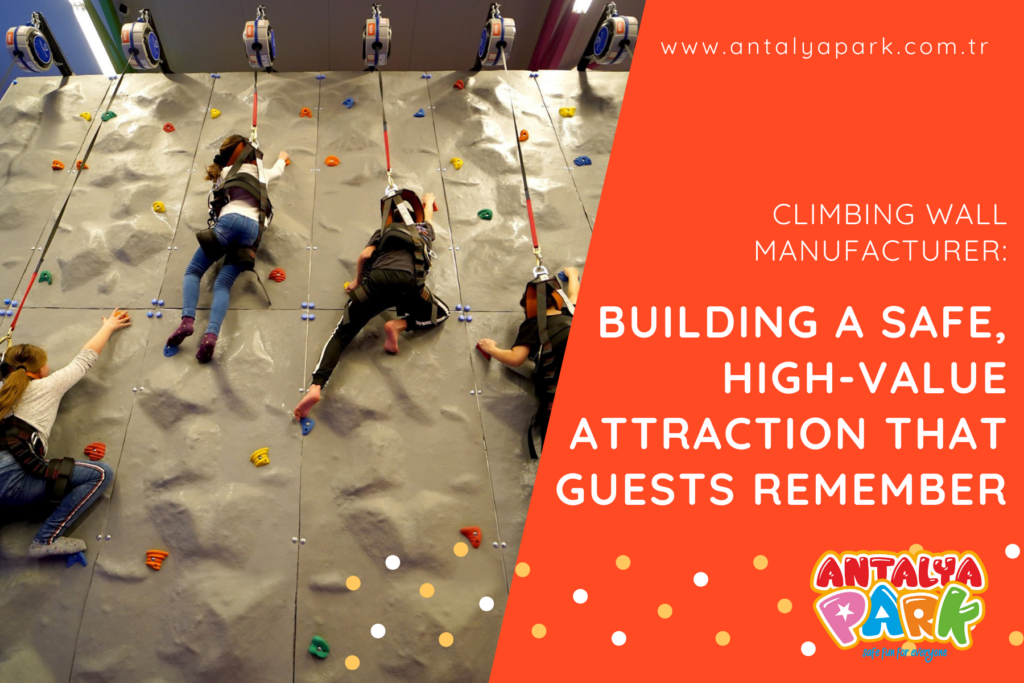
Climbing Wall Manufacturer: Building a Safe, High-Value Attraction That Guests Remember

A climbing wall is one of the smartest ways to add “wow factor” and active challenge to a venue. It looks clean, modern, and exciting—yet behind that visual simplicity sits serious engineering. Because climbing involves height, dynamic movement, and impact zones, choosing the right climbing wall manufacturer is a critical decision for safety, durability, and long-term business performance.

This article explains what a professional climbing wall manufacturer should deliver and how the right partner turns a wall into a reliable attraction.


1) A Climbing Wall Is a System, Not Just Panels

Many people picture a climbing wall as “holds on a surface.” In reality, a complete climbing wall system includes:

  • structural engineering and safe anchoring
  • wall geometry designed for different skill levels
  • surface materials built for high wear
  • fall protection planning (impact zones and flooring)
  • route setting strategy (variety + replayability)
  • clear operational rules and supervision logic
  • installation, inspection routines, and spare-part support

A serious climbing wall manufacturer delivers all of this as one integrated solution.


2) Safety Engineering: The Non-Negotiable Foundation

Safety is the core of every climbing project. A reliable manufacturer should be able to explain:

  • how the wall structure is engineered for repeated dynamic loads
  • how anchoring is planned for your specific building conditions
  • how fall zones and impact protection are calculated
  • how grip placements and route difficulty are controlled
  • how materials support non-toxic and fire-resistant requirements
  • how edges, corners, and transitions are designed to reduce risk

In climbing, small design mistakes can become big operational problems. Safety must be built in from day one.


3) Design That Creates Replayability and Wider Audience Appeal

A climbing wall performs best as a business attraction when it feels “fresh” over time. That comes from design choices that support replayability:

  • routes for beginners, intermediate climbers, and advanced users
  • clear progression paths (people want to improve and return)
  • visual themes or interactive-style concepts that increase excitement
  • smart height and slope combinations that keep the experience varied

A strong climbing wall manufacturer designs not only for performance, but for repeat visits.


4) Durability: Where Quality Protects Profit

Climbing walls face constant wear—especially holds, grip surfaces, and high-contact zones. The difference between a cheap wall and a cost-effective one shows after months of operation.

A professional manufacturer focuses on:

  • high-wear surface durability and easy-clean finishes
  • reliable hold fastening systems and replacement simplicity
  • long-term structural stability and corrosion resistance
  • maintenance access and clear inspection routines

Durability means fewer closures, fewer complaints, and stronger reviews.


5) Installation and Project Discipline: The Wall Must Fit the Venue

Every venue is different: ceiling heights, wall supports, building materials, and traffic flow all change the solution. A reliable manufacturer provides:

  • clear technical drawings and structured approvals
  • coordinated packaging and planned logistics
  • experienced installation teams
  • final inspection and safe handover process
  • operational documentation for daily/periodic checks

A great design can fail if installation is rushed or improvised.


6) After-Sales Support: Keeping the Attraction Reliable

Climbing walls need ongoing attention: hold changes, tightening schedules, surface checks, and periodic inspections. Strong manufacturers provide:

  • fast spare-part availability (holds, fasteners, surface elements)
  • maintenance guidance and checklists
  • technical support for route updates and safety routines
  • practical troubleshooting to reduce downtime

After-sales support is not a bonus—it’s operational stability.


Conclusion

Choosing a climbing wall manufacturer is choosing the long-term safety and performance of your attraction. The right partner delivers engineering, smart design for replayability, durable materials, disciplined installation, and real after-sales support.

When all these elements work together, a climbing wall becomes more than a feature. It becomes a reliable, high-value attraction that strengthens your venue, attracts broader age groups, and keeps guests coming back for the next climb.

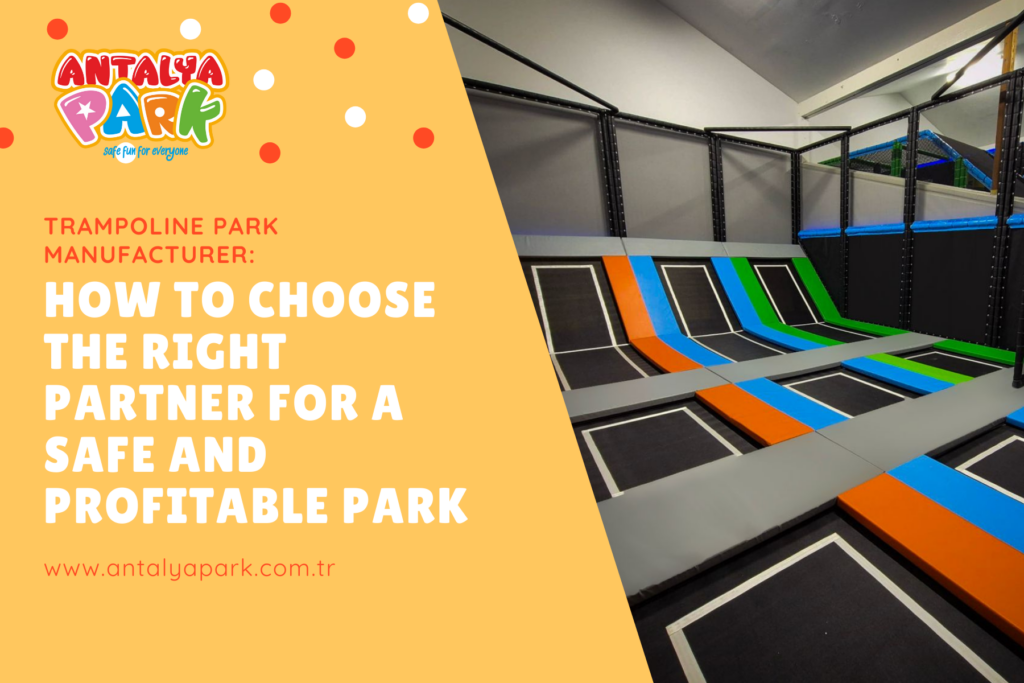
Trampoline Park Manufacturer: How to Choose the Right Partner for a Safe and Profitable Park

A trampoline park is one of the most exciting attractions you can build—but it’s also one of the most engineering-driven. Behind the fun is a high-load system that must handle constant dynamic impact, heavy daily traffic, and strict safety expectations. That’s why choosing the right trampoline park manufacturer is not a simple purchasing decision. It’s a long-term partnership that affects your safety record, opening schedule, operating costs, and brand reputation.

This article explains what a professional trampoline park manufacturer should deliver and how to evaluate the right one.


1) A Trampoline Park Is a System, Not Just Trampoline Beds

Many investors focus on the visible parts: jump beds, padding, nets, and a few attractions. But a successful park works like a complete environment:

  • smart zoning by age and skill level
  • safe transitions that reduce collisions
  • clear supervision visibility for staff
  • engineered structure designed for real dynamic loads
  • operational planning for inspections, repairs, and spare parts

A reliable trampoline park manufacturer provides an integrated solution, not a collection of components.


2) Safety Engineering: The Non-Negotiable Foundation

Trampoline parks involve constant impact and movement. A serious manufacturer should be able to explain:

  • how the steel frame is engineered for durability
  • how tension is distributed across the jumping system
  • how edge protection and padding are designed for impact safety
  • how boundaries and nets are planned to control movement
  • how materials are non-toxic, long-lasting, and fire-resistant
  • how risk points are minimized through layout and zoning

Safety is not a feature—it’s the baseline that protects your business.


3) Layout & Flow: Where Guest Experience Meets Risk Control

A trampoline park can feel thrilling or chaotic depending on flow. Good flow means guests move naturally without blocking each other, and staff can supervise effectively.

A strong trampoline park manufacturer designs for:

  • reduced congestion and clearer circulation
  • smart queue placement that doesn’t disrupt play
  • separation of beginners, kids, and advanced users
  • easy visibility from staff positions
  • placement of high-energy zones away from entry areas

Better flow improves both safety and customer satisfaction.


4) Attractions That Drive Repeat Visits

Features like dodgeball, slam dunk lanes, foam pits, airbags, ninja courses, and interactive zones can increase play value. The key is not adding “more,” but adding “smart.”

A good manufacturer helps you choose attractions based on:

  • your target audience (families, teens, groups)
  • venue size and ceiling height
  • capacity goals and peak-hour pressure
  • staffing and supervision requirements

When attractions are sequenced correctly, the park feels like a complete journey, not a random mix.


5) Production Discipline and Installation Quality

A trampoline park is built twice: in engineering and on site. A reliable manufacturer provides:

  • clear technical drawings and structured approvals
  • disciplined production and quality control
  • organized packaging, shipping, and logistics planning
  • experienced installation teams
  • final inspection and handover standards

Installation quality impacts safety, durability, and appearance—so it should never be treated as basic assembly.


6) After-Sales Support: The Real Test of a Manufacturer

Trampoline parks are living systems. Padding wears, tension changes, and some components require periodic replacement. Strong after-sales support includes:

  • fast access to critical spare parts
  • responsive technical service
  • maintenance checklists and inspection routines
  • practical troubleshooting to reduce downtime

Downtime is lost revenue, so support is part of the business plan.


Conclusion

Choosing a trampoline park manufacturer is about more than building a fun venue—it’s about building a safe, stable, and profitable operation. The right partner delivers safety engineering, smart layout flow, durable materials, disciplined installation, and real long-term support.

When those elements work together, your trampoline park becomes a repeat-visit destination that earns trust, protects guests, and grows revenue year after year.

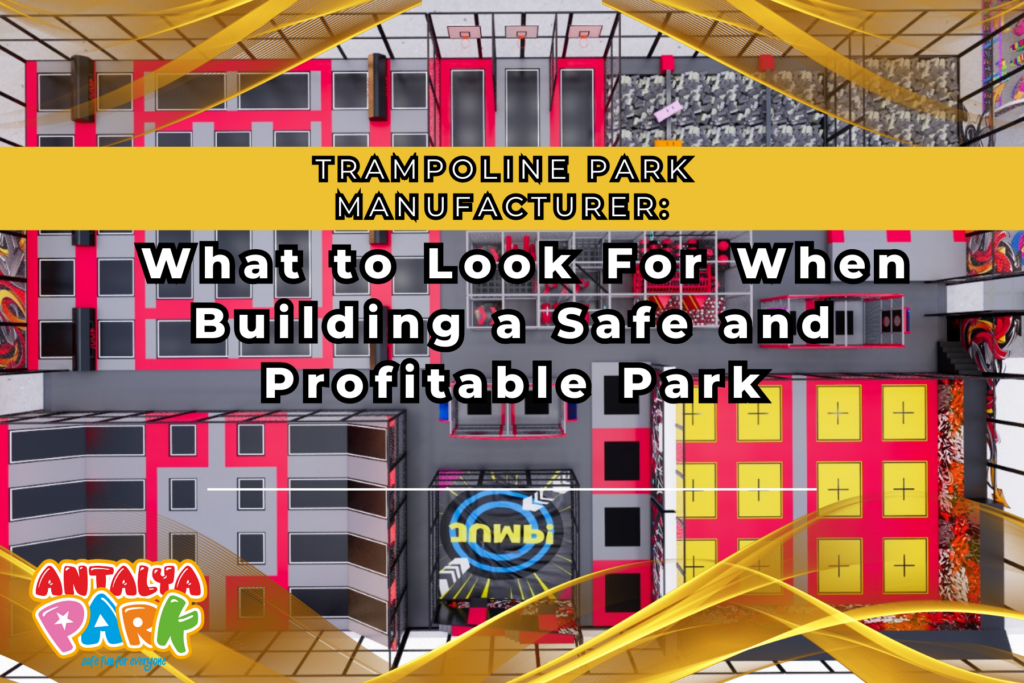
Trampoline Park Manufacturer: What to Look For When Building a Safe and Profitable Park

A trampoline park looks simple from the outside—jump beds, padding, nets, and a few extra attractions. In reality, it’s a high-energy system that depends on engineering, controlled user flow, and long-term maintenance planning. That’s why choosing the right trampoline park manufacturer is one of the most important decisions you’ll make. The manufacturer you select will directly affect safety performance, opening timelines, operating costs, and customer trust.

This article explains what a professional trampoline park manufacturer should deliver and why quality matters far beyond the first impression.


1) A Trampoline Park Is a System, Not Just Equipment

A successful trampoline park is designed as a complete environment:

  • structured zones with safe transitions
  • smart circulation to reduce congestion
  • supervision visibility for staff
  • durable components built for constant dynamic loads
  • operational planning for inspections, repairs, and spare parts

A trampoline park manufacturer should deliver an engineered solution, not a box of parts.


2) Safety Engineering: The Non-Negotiable Foundation

Trampoline parks create continuous dynamic impact. Every jump stresses the frame, bed system, connectors, and padding. A reliable manufacturer should be able to clearly explain:

  • how the steel frame is engineered for heavy use
  • how the bed system distributes tension and controls bounce
  • how transitions are designed to reduce collisions and missteps
  • how impact protection is handled around borders and critical zones
  • what materials are non-toxic, durable, and fire-resistant
  • how zoning reduces risk by separating skill levels and ages

Safety is not a feature—it’s the baseline of your brand reputation.


3) Layout and Flow: The Hidden Driver of Guest Experience

Flow determines whether your park feels exciting or chaotic. A smart manufacturer designs movement like a map: warm-up zones, challenge areas, peak-energy features, and recovery spaces.

Good flow creates:

  • fewer bottlenecks and collisions
  • easier queue management
  • better staff control and supervision
  • longer play sessions and higher satisfaction

Flow also protects revenue—because parks that feel crowded or unsafe lose repeat visitors fast.


4) Attractions That Increase Repeat Visits

Dodgeball areas, slam dunk lanes, foam pits, ninja courses, airbags, and interactive zones can significantly boost engagement. But more attractions do not automatically mean better performance.

A professional trampoline park manufacturer helps you choose and position features based on:

  • your target audience (families, teens, adults, groups)
  • the size and shape of your venue
  • capacity management during peak hours
  • safety boundaries and supervision needs

Smart sequencing turns separate attractions into one memorable play journey.


5) Installation Discipline and Project Management

A trampoline park is built twice—first in engineering, then on site. Reliable manufacturers provide:

  • clear technical drawings and structured approvals
  • organized packaging and shipping plans
  • experienced installation teams
  • final inspection and handover standards
  • documentation for daily checks and periodic maintenance

A disciplined installation is not just faster—it’s safer and more durable.


6) After-Sales Support: The Real Test of a Manufacturer

Trampoline parks are living systems. Pads wear, tensions change, and high-use components need periodic replacement. Strong manufacturers support you with:

  • fast spare parts for critical components
  • responsive technical service
  • maintenance checklists and inspection routines
  • practical troubleshooting to minimize downtime

Downtime is the hidden enemy of trampoline park profitability.


Conclusion

Choosing a trampoline park manufacturer is not only about building a fun attraction—it’s about building a safe, reliable, and sustainable business. The right manufacturer delivers safety engineering, smart layout flow, durable materials, disciplined installation, and long-term support.

When all of these elements work together, your trampoline park becomes more than a place to jump. It becomes a repeat-visit destination that earns trust, strengthens your brand, and grows revenue year after year.

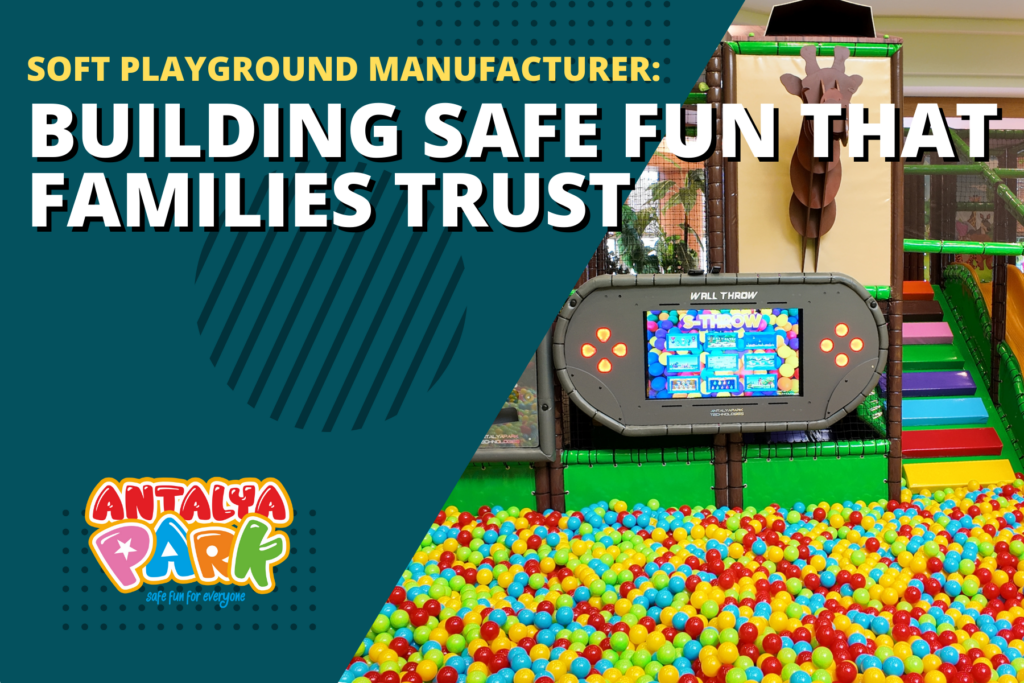
Soft Playground Manufacturer: Building Safe Fun That Families Trust

A soft playground is one of the most effective attractions for family-focused venues because it combines safe movement, colorful discovery, and repeatable play. But a successful soft playground doesn’t happen by accident. It depends on the quality, design logic, and long-term support of the soft playground manufacturer behind it.

This article explains what a professional soft playground manufacturer should deliver, why quality matters beyond “looks,” and how the right partner helps you build a stronger, more sustainable play business.


1) A Soft Playground Is a System, Not a Set of Modules

Many soft playgrounds look similar in photos. The real difference appears in daily operation: how children move through the space, how easy it is to supervise, how quickly it gets dirty, and how often something needs repair.

A professional soft playground manufacturer designs and produces a complete system that includes:

  • safe play flow and clear routes
  • age zoning (especially a dedicated toddler area)
  • durable structure and long-lasting materials
  • hygiene-friendly surfaces and practical maintenance access
  • disciplined installation and reliable after-sales support

If one part is weak, the whole playground becomes harder to operate—and less trusted by families.


2) Safety First: Designed Into Every Detail

Soft playgrounds are built for active movement: climbing, crawling, sliding, and jumping. That means safety must be engineered into the layout and the build quality.

A strong manufacturer focuses on:

  • correct clearances and anti-entrapment thinking
  • secure structures and properly fixed components
  • impact protection through high-quality padding and surfaces
  • strong netting and connectors that stay tight over time
  • non-toxic, durable materials and fire-resistant options
  • age-appropriate heights and challenges

Safety is not just a requirement—it’s your brand reputation.


3) Design That Improves Experience and Repeat Visits

The best soft playgrounds create a “play journey.” Kids discover routes, chase small challenges, and find new corners each visit. This is not only fun—it’s business strategy. Better design leads to longer dwell time and more repeat visits.

A professional soft playground manufacturer designs for:

  • smooth circulation (less congestion, fewer collisions)
  • clear visibility lines for parents and staff
  • balanced difficulty for different age groups
  • “wow points” that make the venue memorable
  • smart placement of high-energy features away from sensitive zones

When flow is right, everything feels easier—for kids, parents, and operators.


4) Durability and Hygiene: The Hidden Profit Factor

Soft playgrounds operate under constant stress. The difference between “cheap” and “cost-effective” is how the system looks and performs after months of heavy use.

Quality manufacturers pay attention to:

  • foam density and recovery performance
  • PVC durability, stitching quality, and easy-clean surfaces
  • net strength and reliable fastening points
  • stable structure that prevents sagging and loosening
  • materials that resist odor, fading, and tearing

Durability reduces repairs. Fewer repairs means less downtime. Less downtime means more revenue.


5) Installation and After-Sales Support: Where Trust Is Proven

A soft playground is built twice—first in engineering, then on site. A reliable manufacturer provides:

  • clear technical drawings and structured revisions
  • organized packaging and planned logistics
  • experienced installation teams
  • final inspections and handover standards
  • maintenance guidance, spare parts, and technical support

After-sales support is not optional—it keeps your business stable.


Conclusion

Choosing a soft playground manufacturer is choosing the long-term health of your play business. The right partner delivers safety, smart design flow, durable materials, disciplined installation, and dependable after-sales support.

When all these elements work together, your soft playground becomes more than an attraction. It becomes a trusted family destination—one that stays strong, stays clean, and stays profitable for years.

Indoor Playground Manufacturer Antalya Park

Indoor playgrounds are popular spaces that offer fun, safe, and engaging environments for children to play, explore, and develop their skills. Whether you’re planning to open a new indoor play center, upgrade an existing one, or add a play area to a shopping mall or family entertainment center, partnering with a reliable indoor playground manufacturer is essential. In this guide, we’ll discuss the benefits of working with a reputable manufacturer, what to look for when choosing one, and how a quality supplier can help bring your indoor playground vision to life.

Why Work with a Professional Indoor Playground Manufacturer?

Creating a successful indoor playground requires more than just choosing the right play equipment. A professional indoor playground manufacturer brings expertise in design, safety, and compliance, ensuring that the play area meets the highest standards. Here are some reasons to partner with a trusted manufacturer:

  1. Customized Designs: A reputable manufacturer will provide tailored designs that fit the space, target audience, and theme of the play area. Customization options allow you to create unique play experiences that stand out from the competition.
  2. Quality and Safety Assurance: Professional manufacturers use high-quality materials that comply with international safety standards, such as EN1176, EN1177, and ASTM F2910-15. This ensures that the playground is not only fun but also safe for children of all ages.
  3. End-to-End Project Management: From initial consultation and design to production, installation, and maintenance, an experienced indoor playground manufacturer offers comprehensive services to guide you through each stage of the project.

Factors to Consider When Choosing an Indoor Playground Manufacturer

When selecting a manufacturer for your indoor playground, it’s important to consider several factors to ensure that you get the best value for your investment:

  1. Experience and Portfolio: Look for a manufacturer with a proven track record and a portfolio of completed projects. Companies with extensive experience in different types of indoor playgrounds will be more knowledgeable about best practices and industry trends.
  2. Certifications and Compliance: Verify that the manufacturer’s equipment complies with relevant safety regulations, such as CE, TÜV, ISO 9001, and other certifications. This ensures that the materials used are non-toxic, fire-resistant, and durable.
  3. Warranty and After-Sales Support: Choose a manufacturer that offers warranties on various components, such as structural frames, slides, and padded elements. This indicates a commitment to product quality and customer satisfaction.
  4. Innovative and Engaging Features: An ideal manufacturer will be able to incorporate interactive elements and modern designs that appeal to children and parents alike. Antalya Park, for example, integrates cutting-edge technology into its playgrounds, including interactive electronic games like “Reflex Challenge” and “Quad Battle Challenge.”

Indoor Playground Manufacturer

Antalya Park is a prominent indoor playground manufacturer with a strong reputation for quality, innovation, and customer service. With over 2,000 successful projects in more than 65 countries, Antalya Park is a trusted partner for businesses looking to create captivating play spaces. Here’s what sets Antalya Park apart:

  • Custom Design Solutions: Antalya Park offers bespoke playground designs that cater to different themes, age groups, and play styles. Whether it’s a toddler area, soft play zone, or adventure-themed playground, the company can bring any vision to life.
  • High-Quality Materials: The use of certified, non-toxic, and fire-resistant materials ensures that all products meet stringent safety standards. The playground equipment is designed for durability and long-term use.
  • Global Reach and Expertise: With projects across five continents, Antalya Park understands diverse market needs and cultural preferences, making it a versatile choice for clients worldwide.

Trends in Indoor Playground Design

Indoor playgrounds continue to evolve, with new trends influencing their design and functionality. Here are some key trends shaping the industry:

  1. Themed Playgrounds: Creating play areas based on specific themes, such as space exploration, underwater adventures, or jungle expeditions, enhances the immersive experience for children. Antalya Park specializes in custom-themed designs to create unique and memorable play environments.
  2. Interactive and Technological Elements: Integrating electronic games, interactive light panels, and digital features makes indoor playgrounds more dynamic and engaging. Games like “Air Hokee” bring a modern twist to traditional play concepts, combining physical activity with digital interaction.
  3. Focus on Sensory Play: Incorporating elements that stimulate various senses, such as textures, sounds, and lights, supports children’s cognitive and motor development. Sensory play features are increasingly becoming a standard part of indoor playground designs.
  4. Sustainability: As environmental awareness grows, many playground manufacturers are adopting eco-friendly materials and production methods. Sustainable practices help minimize the environmental impact while providing safe play equipment for children.

Steps to Launch Your Indoor Playground

  1. Define Your Concept and Target Audience: Understand who your primary visitors will be—toddlers, young children, or mixed age groups—and choose a concept that appeals to them.
  2. Set a Budget: Plan your budget, considering the cost of equipment, installation, maintenance, and any customization you may require.
  3. Consult with an Indoor Playground Manufacturer: Contact a professional like Antalya Park for expert guidance on layout, equipment selection, and safety requirements. They can help you transform your concept into a fully functional and captivating indoor playground.

Conclusion

Choosing the right indoor playground manufacturer is a critical step in creating a safe, engaging, and profitable play area. Antalya Park’s extensive experience, innovative designs, and commitment to quality make it an ideal partner for any indoor playground project. With customized solutions, high-quality materials, and a global portfolio, Antalya Park can help you build an indoor playground that exceeds expectations.

Start your project today by reaching out to Antalya Park, and take the first step toward developing an exciting play space that attracts families and keeps children coming back for more!